
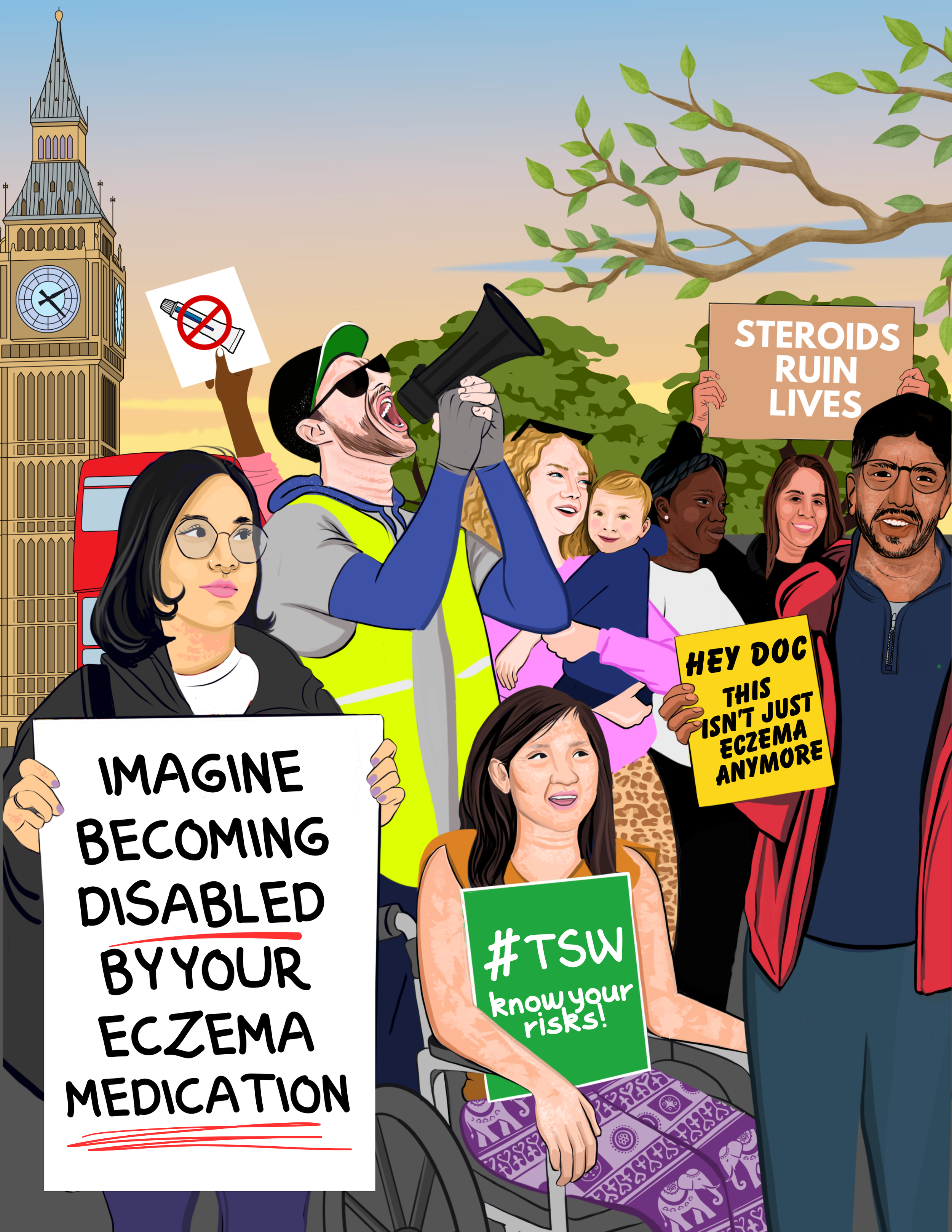
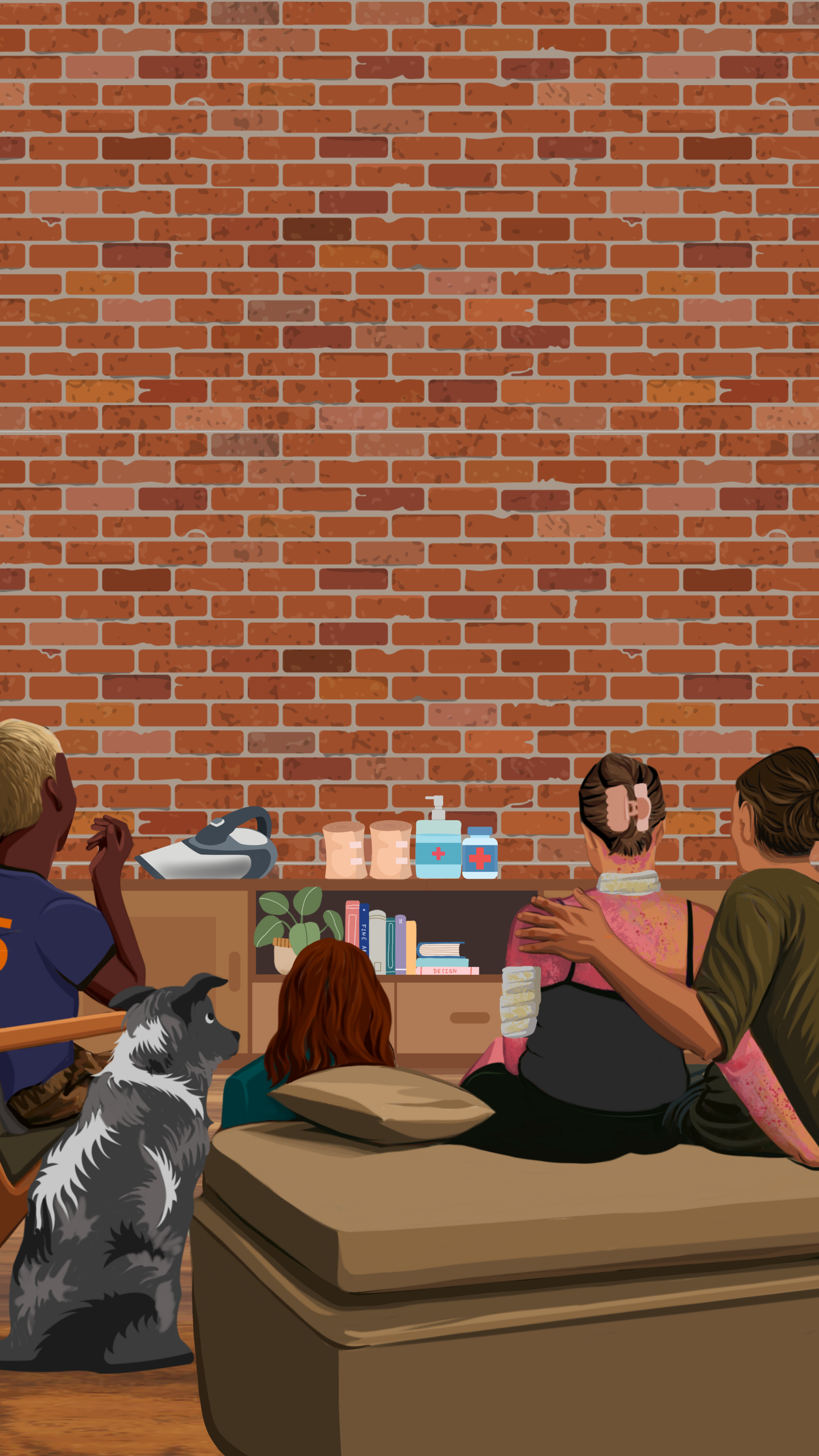
(Cover of ITSWO Mag #5 based on the annual TSW March in March)
What is TSW?
Topical Steroid Withdrawal is a severe reaction to medications commonly prescribed to treat eczema and other skin conditions. Once steroids are stopped or even reduced, painful symptoms soon follow that are violently different from a typical eczema flare-up.
Because TSW isn’t widely recognized, many are misdiagnosed and told to keep using the very thing that causes harm. Steroid withdrawal is not worsening eczema, it is caused by medication and entirely preventable through awareness.
F.A.Q.’s
-
Eczema (also known as atopic dermatitis) is a chronic skin condition that causes inflammation, dryness, itching, and irritation. It’s typically caused by a mix of genetic, environmental, and immune system factors. Eczema comes and goes in flares, and treatment often includes moisturizers, antihistamines, and topical steroids to reduce inflammation.
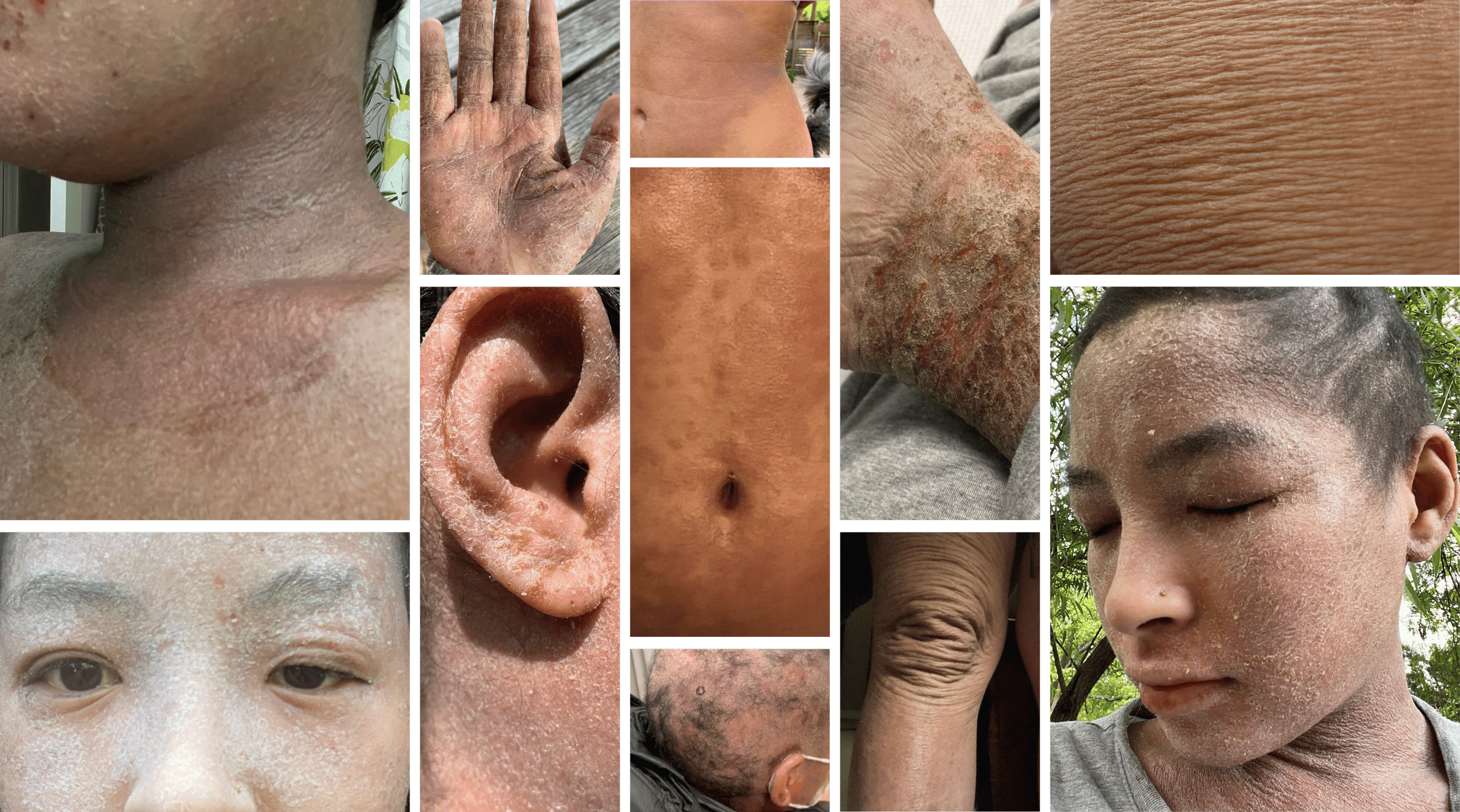
Topical Steroid Withdrawal (TSW), on the other hand, is not a skin disease—it’s a drug reaction and is violently different. TSW happens when the body becomes physically dependent on steroid medications after prolonged or repeated use. When those medications are reduced, stopped, or sometimes even continued, the body goes into withdrawal, causing severe and often widespread symptoms like burning, oozing, swelling, flaking, nerve pain, insomnia, and more.
While eczema tends to affect certain areas in patches, TSW can spread far beyond the original eczema sites and feel like an entirely different condition. Unfortunately, many people experiencing TSW are told they just have “worsening eczema,” when in reality they are going through steroid withdrawal—and continuing steroids may make it worse.
-
How much time do you have?
Common Physical Symptoms of TSW:
Burning skin (often described as “on fire”)
Inflamed skin (red sleeve or full-body redness)
Excessive Skin peeling / shedding / flaking
Oozing / crusting skin
Increased susceptibility to fungal and bacterial infections
Extreme dryness (elephant skin / cracked skin texture)
Difficulty moving due to extremely dry skin
Raw, open wounds
Swelling (edema)
Thin, fragile skin (skin tears easily)
Rashes spreading to areas where steroids weren’t applied (i.e. inside of ears)
Excessive itching (intense and constant)
Nerve pain (burning, zapping, tingling sensations)
Sensitivity to heat / sweat / friction
Temperature dysregulation (feeling too hot or cold suddenly)
Hair loss (eyebrows, scalp, body hair)
Eye irritation (red, swollen, dry eyes)
Fatigue / exhaustion / feeling physically weak
Insomnia / sleep disturbances
Loss of appetite / weight fluctuations
Body odor changes (metallic or sour smell from skin)
Swollen lymph nodes
Shivering / chills
Common Mental & Emotional Symptoms of TSW:
Anxiety (especially health-related anxiety)
Depression / hopelessness
Body dysmorphia / grief over appearance changes
Isolation / withdrawal from social life
Panic attacks / PTSD-like symptoms
Emotional overwhelm / anger / mood swings
Loss of confidence / fear of being seen
If you think this list is exhaustive, imagine how we feel…
-
There’s no clear timeline. Some people experience symptoms for a few months, while others may suffer for several years. Recovery time often depends on factors like how long steroids were used, the strength of the medication, how often it was applied, and individual body chemistry.
-
There’s no official cure or universally recognized treatment though many have had success with wound healing treatments such as cold atmospheric plasma treatment (CAP) and hyperbaric oxygen therapy. Healing usually requires time, rest, skin barrier support, and symptom management. Some people find relief holistically or with the help of medications like Cyclosporine or Methotrexate, while others focus on minimizing triggers and supporting mental health during the process. One thing is for sure, we will heal one way or another.
-
No. Not everyone who uses topical steroids will go through withdrawal. Many people use them and taper off without problems.
But what’s especially concerning is that even people who used steroids “as directed” by doctors can still develop withdrawal symptoms. And because awareness of TSW is still limited in the medical community, it’s often misdiagnosed as worsening eczema—leading to more steroids and a cycle that’s hard to break.
-A Word from Liv
“In the first couple years of my withdrawal, every single doctor I saw tried to prescribe more steroids. I was even given a 1 lb tub of it with the directions to “slather it everywhere”. This is why awareness is important. Had I not known about the dangers of steroids, I would not have been able to advocate for myself and decline the prescription.”
-
Many people recognize TSW through patterns of symptoms like burning, peeling, inflammation, swelling, oozing, nerve pain, intense itching, and skin sensitivity. While these symptoms often appear after stopping steroid medications, some people develop TSW symptoms even while still using them.
There is no formal medical test for TSW. Diagnosis is usually based on your history of steroid use (topical, oral, or injectable) and the timing and nature of your symptoms.
If you suspect you’re in TSW, try to stay calm — the first step is recognizing that this might be what’s happening to you. From there, you can take steps to educate yourself, find support, and make informed decisions about your health moving forward.
-
Corticosteroids have been used for decades and are still considered the standard treatment for eczema and many other inflammatory skin conditions because they can provide fast, effective relief from symptoms like redness, itching, and inflammation. Most medical training still teaches that these medications are safe when used as directed.
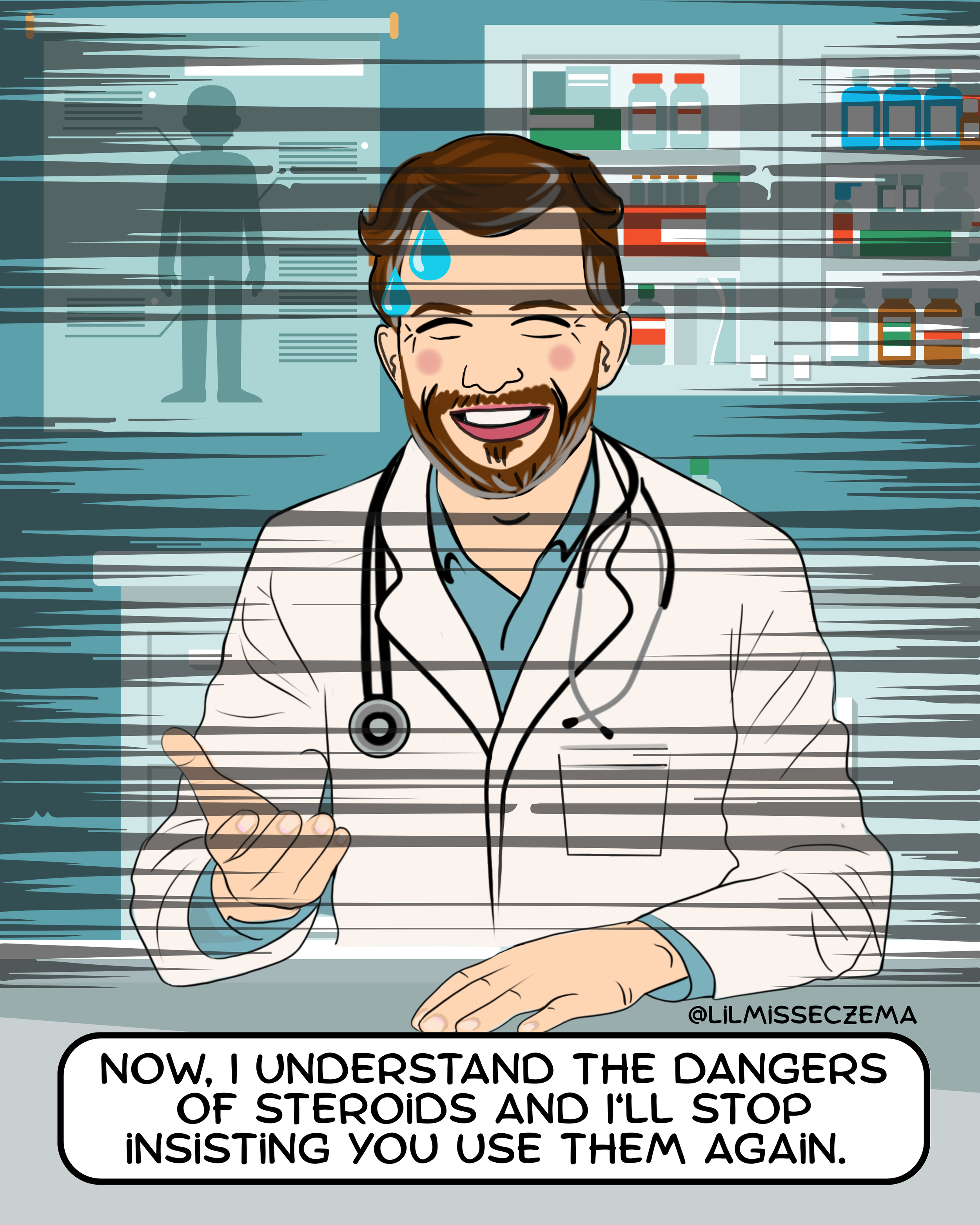
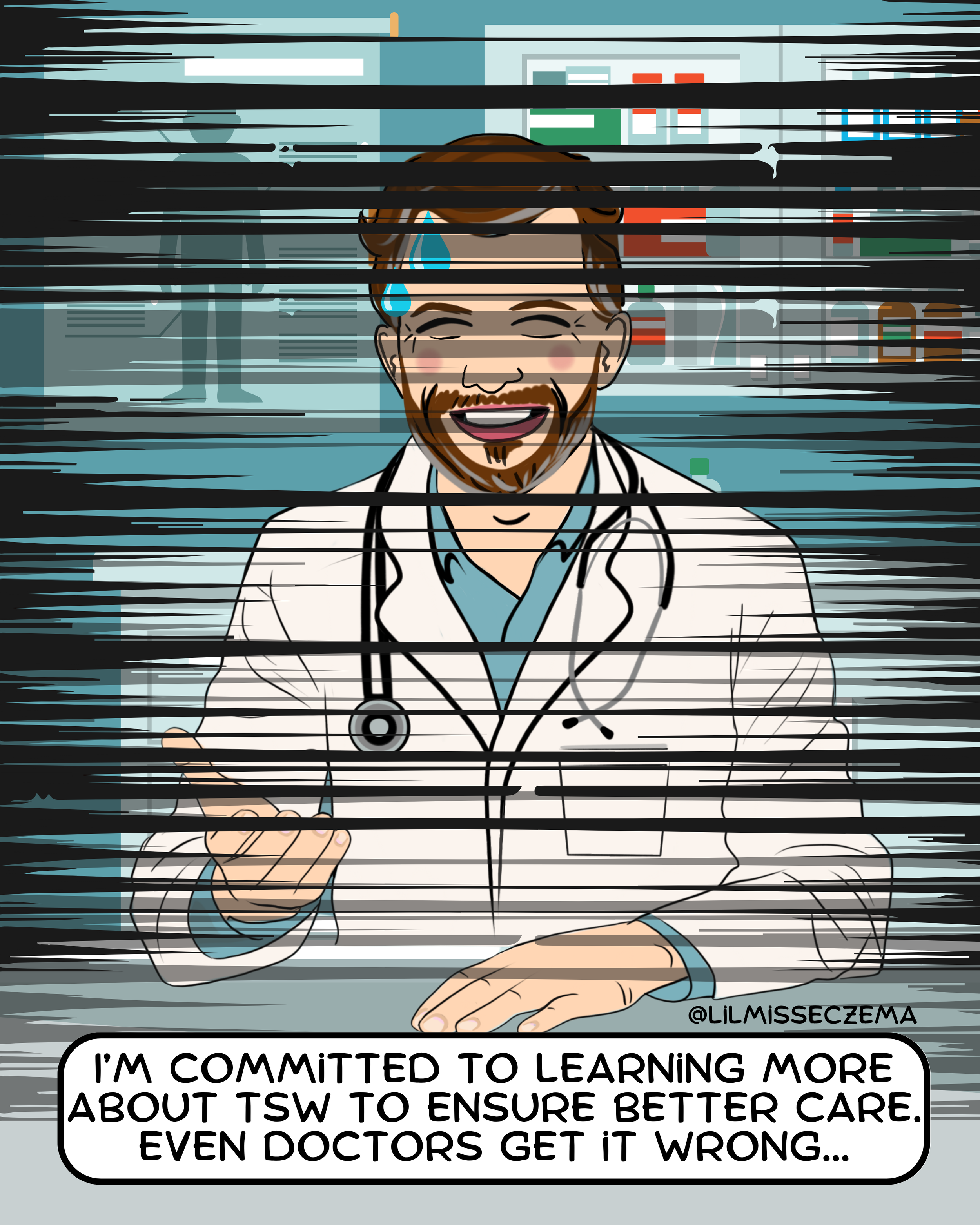
However, many doctors are not fully educated on the risks of long-term or repeated steroid use, especially the potential for TSW. Some may not recognize TSW as a real condition, and others may not be aware of how easily dependency can develop over time — especially with strong or frequent use. This gap in awareness is why many people feel dismissed or misunderstood when they bring up their symptoms. To make matters worse, many doctors insist on more steroids to treat what they assume is “worsening eczema” and the cycle repeats.
More research, education, and patient advocacy are needed to help the medical community better understand TSW and offer safer, more supportive treatment options.
Did you know?
Over 36 million topical steroid prescriptions are written in the United States every year.
Source: clincalc.com, Topical Steroids Prescription Data, 2022

And yet,
many are never warned about the risks of long-term use, dependence, or withdrawal.
A recent study of UK dermatologists found that only 34% recognize TSW as a distinct medical condition, nearly half of dermatologists surveyed said they were unsure, and 17% dismissed it entirely. 88% agree that more research and awareness is urgently needed.
Source: PubMed, Topical Steroid Withdrawal: A Survey of UK Dermatologists’ Attitudes, 2024.
Why Awareness
Matters
Millions are prescribed these medications every year — yet when withdrawal symptoms appear, many are met with confusion, dismissal, or advice to use more steroids, not less.
This disconnect leaves countless suffering without support, recognition, or proper care.
Did You Know?
Topical steroids were brought to market without long-term studies on chronic use, and no formal studies were done on withdrawal effects before they became widely prescribed.
When topical steroids were first introduced in the 1950s, the initial study involved fewer than 20 participants and lasted up to just 4 weeks. Despite this limited research, these medications were quickly approved and became the go-to treatment for chronic skin conditions like eczema. Long-term side effects like withdrawal and dependency were not yet fully understood.
A Quick History Lesson
Still Preventable: A TSW Documentary
A Brief History of Topical Steroids by Briana Banos
If you’ve ever wondered how topical steroids became so widely used without long-term studies on dependency or withdrawal, this short clip from Still Preventable, a documentary by TSW advocate Briana Banos, offers important insight.
In this clip, Briana explains the history of eczema treatment, the rise of corticosteroids, and how these drugs were approved and introduced to the public — long before the medical community understood the risks of steroids.
Fast forward 72 years…
Steroids promised relief — but for too many, they delivered a nightmare. Over time, steroids grew stronger and more potent, increasing both their power and the risks they carry.

Liv in 2025
Full Blown TSW
Liv in 2023
Pre-TSW
What TSW Looks Like in Real Life
TSW isn’t just about skin. It’s about:
-
✽
Sudden Life Changes
TSW can turn life upside down unexpectedly. The intense physical symptoms and emotional challenges can disrupt daily routines, affect sleep, limit activities, and change how you interact with the world. These sudden shifts can make it hard to maintain a sense of normalcy while navigating the healing process.
-
✽
Isolation
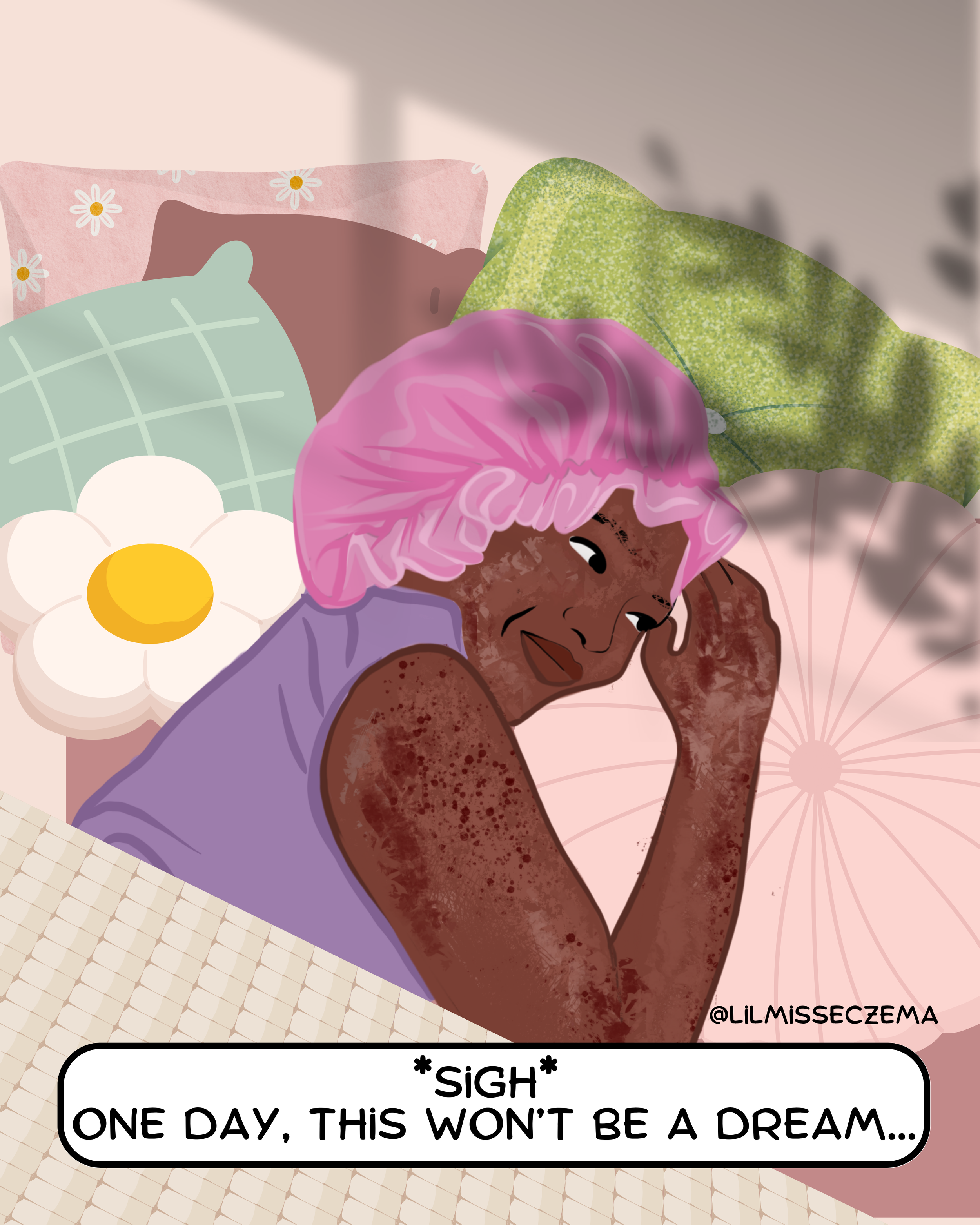
Severe TSW can leave people bedridden or unable to perform basic tasks like walking, bathing, or cooking due to intense pain, skin tightness, and fatigue. For many, this temporary disability is one of the most isolating parts of the experience. The visible nature of the condition often leads to shame, embarrassment, and withdrawal from the outside world.
-
✽
Mental health struggles
The psychological toll is immense. TSW brings anxiety, depression, PTSD-like symptoms, and hopelessness — especially when people feel unheard, invalidated, and unsupported by the medical community.
-
✽
Strained Friendships & Relationships
TSW can put immense strain on friendships, romantic relationships, and even family bonds. Many people struggle to maintain connections as their symptoms worsen, and some find that loved ones don’t understand or believe what they’re going through. This lack of support can lead to loneliness, resentment, and feelings of abandonment during one of the hardest seasons of life.
-
✽
The grief of watching your body change and not being believed
Your appearance changes drastically. Your identity feels lost. The grief is compounded by the disbelief of others — friends, family, even doctors — who may dismiss what you’re experiencing as “just eczema.” The loneliness is hard to put into words.
-
✽
Financial Hardship
TSW can lead to serious financial strain. Losing income from work, paired with the growing cost of treatments, doctor visits, and healing essentials not covered by insurance, can create significant financial pressure. The stress of managing money while physically and mentally struggling can make the healing process even harder.
How We're Helping the TSW Community
No one should have to face this condition feeling invisible, unsupported, or alone. Our mission is to show up for this community — not just through words, but through meaningful action.
Here’s how we’re working to make a difference:
-
Finally, art downloads that celebrate our real skin— the good, the bad, and the itchy — created with the intention to show flares in ways that are honest but also empowering. Too often, we only see our skin through a clinical or critical lens. But art has the power to change that…
Seeing ourselves reflected in uplifting, beautiful ways helps to undo the shame and embarrassment some of us might feel. It reminds us that our appearance does not define our worth and we should not feel the need to hide. Positive representation isn’t just feel-good—it’s a vital part of mental health, self-acceptance, and reclaiming the narrative around chronic, visible skin conditions.
-
Through our Ambassador Program, we bring together people who have lived through TSW to help shape future projects, influence designs, and ensure this community feels seen and represented. Together, we are building something that centers healing, empowerment, and visibility.
-
Our Awareness Apparel Collection is more than clothing — it’s a conversation starter, a symbol of solidarity, and a tool for spreading awareness about the realities of TSW. A percentage of every sale goes directly into our Healing Fund, helping those in the thick of this condition access the support they need.
-
Through our Healing Fund, we provide small grants to individuals who are struggling financially because of TSW. This support can help cover essentials like groceries, medical supplies, mental health care, and basic living expenses. For many, this relief helps ease the burden of simply surviving day to day.
“The path through TSW isn’t easy, but I believe in a future where no one has to walk it unsupported. With every small act of kindness, we’re helping build that future — together.”
Liv, Founder of LME
