
What is Eczema?
Eczema is an umbrella term for a group of inflammatory skin conditions that lead to dryness, itching, and irritation.
It affects millions of people worldwide and can look very different from person to person, ranging from occasional mild flare ups to chronic symptoms that impact daily life.


Causes of Eczema
Eczema is the result of several factors both inside the body and in the environment.
-
Think of the skin barrier like a brick wall. In eczema, the mortar between the bricks is weaker so water escapes and irritants get in.
The outer layer of skin doesn’t hold moisture well. It allows irritants, allergens, and bacteria to enter more easily. This leads to dryness, sensitivity, and inflammation
-
The immune system plays a big role in the redness and itching. It reacts strongly to things that might not bother others. This causes inflammation in the skin leading to the itch → scratch → flare cycle
-
This is where eczema becomes very personal. Triggers are different for everyone and they can change over time.
Common triggers:
Weather (cold air, dry heat, seasonal shifts)
Soaps, detergents, fragrances
Fabrics like wool
Stress
Allergens (dust, pollen, pet dander)
-
Eczema often runs in families.
Linked to conditions like asthma and allergies
Some people are born with a naturally more sensitive skin barrier
Not guaranteed but it increases likelihood
Common Symptoms


Inflammation
Dry Skin
Burn

Itch


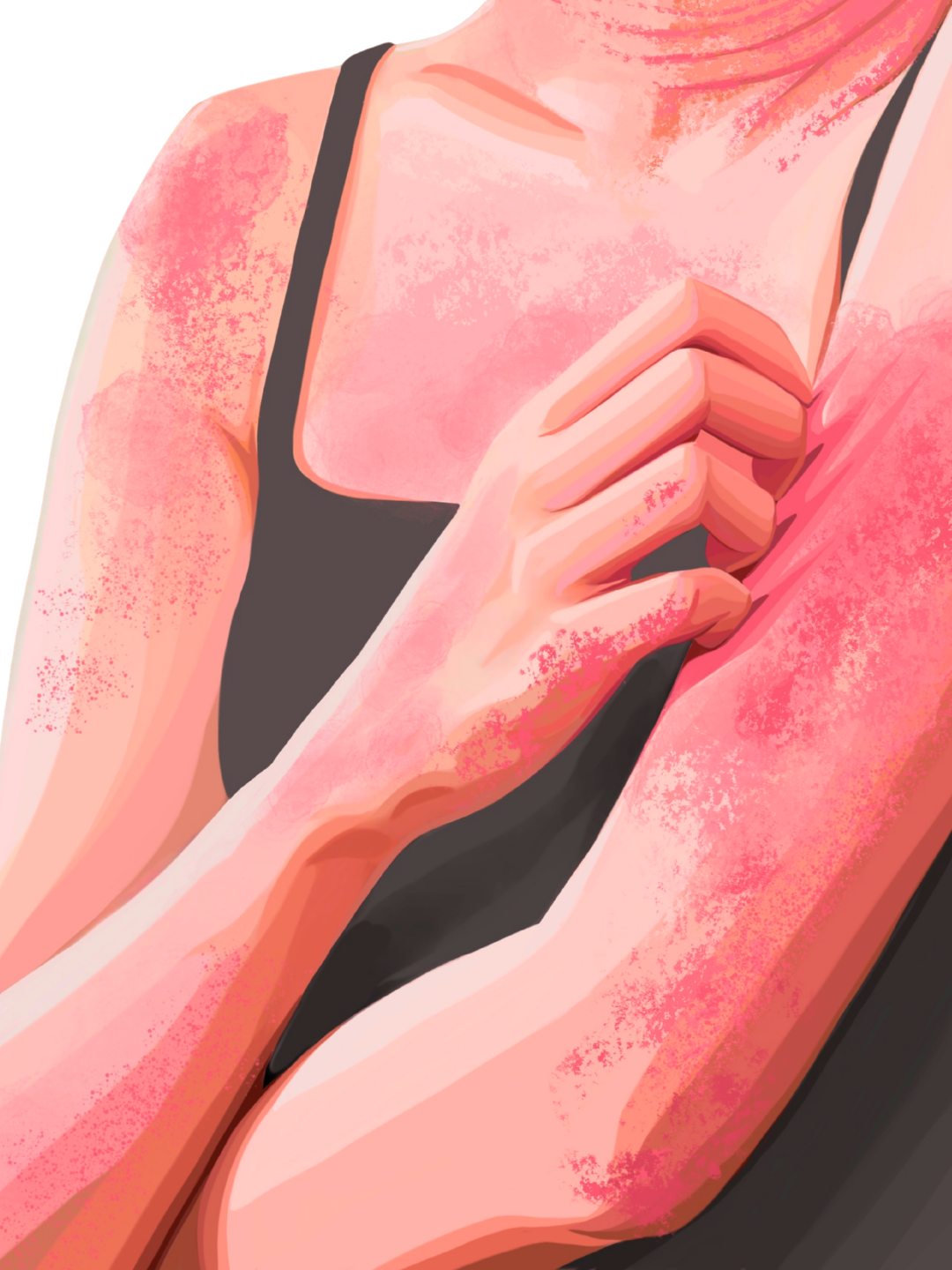
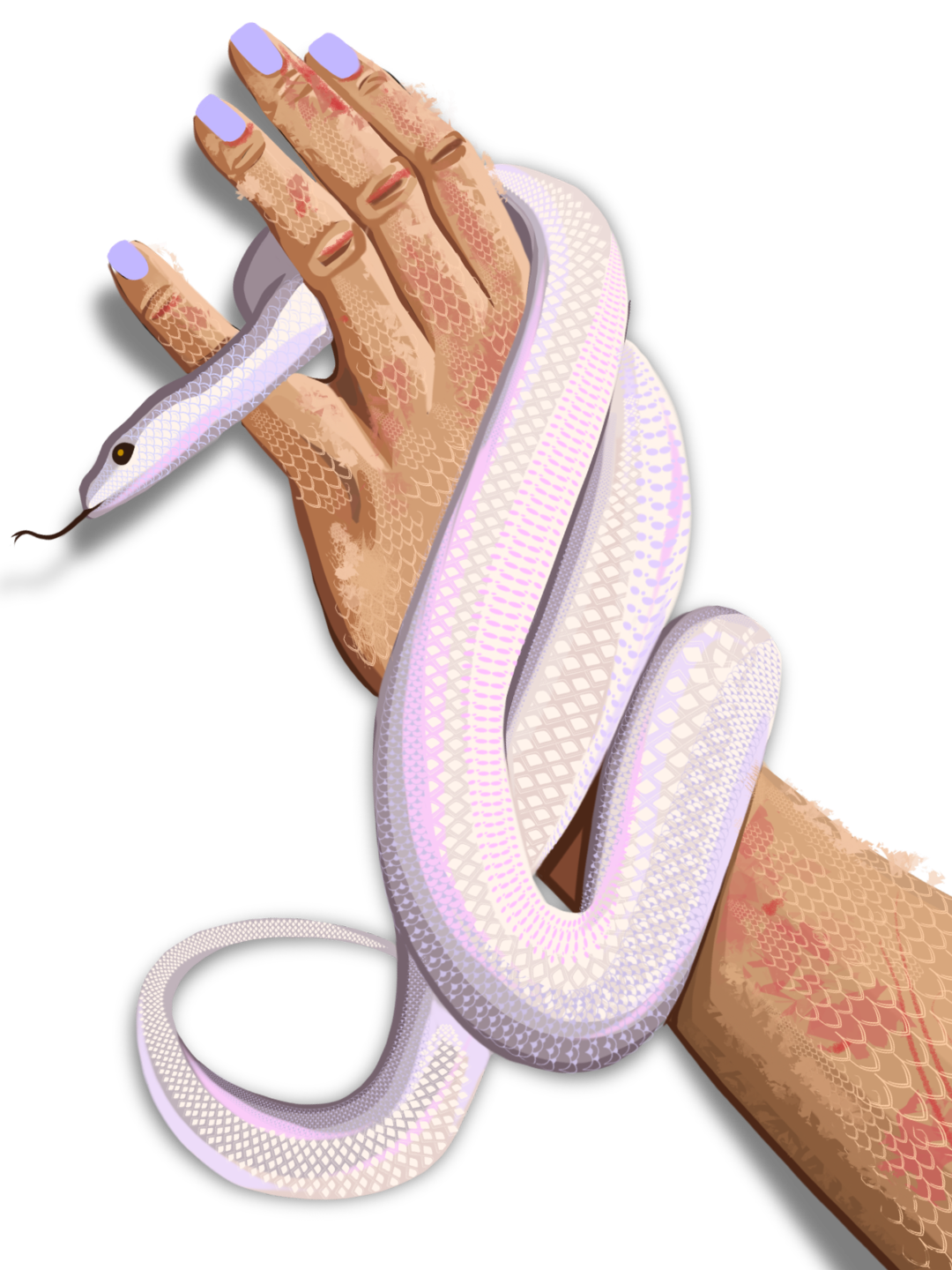
Eczema isn’t just one condition. There are several types that affect different areas of the body at the same time.
-
![Atopic Dermatitis]()
Atopic Dermatitis
The most common and chronic form of eczema characterized by itchy patches of skin that may crack, ooze or form crusts.
-
![Discoid/ Nummular Dermatitis]()
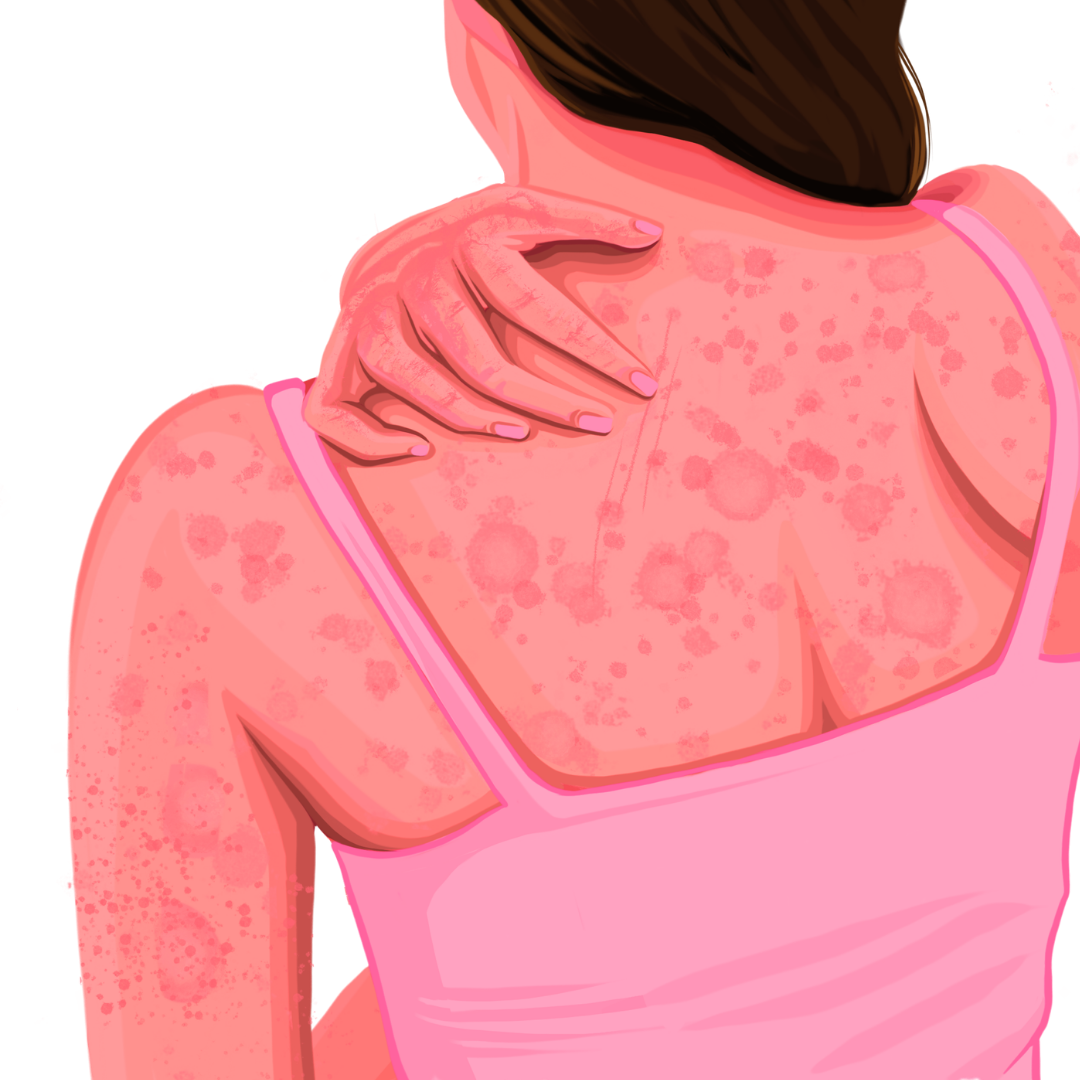
Discoid/Nummular Dermatitis
Coin-shaped patches of irritated skin that can ooze, crust, or become very dry.
-
![Seborrheic Dermatitis]()
Seborrheic Dermatitis
Affects oily areas of the body like face, scalp and chest. Commonly referred to as dandruff or “cradle cap” in infants.
-
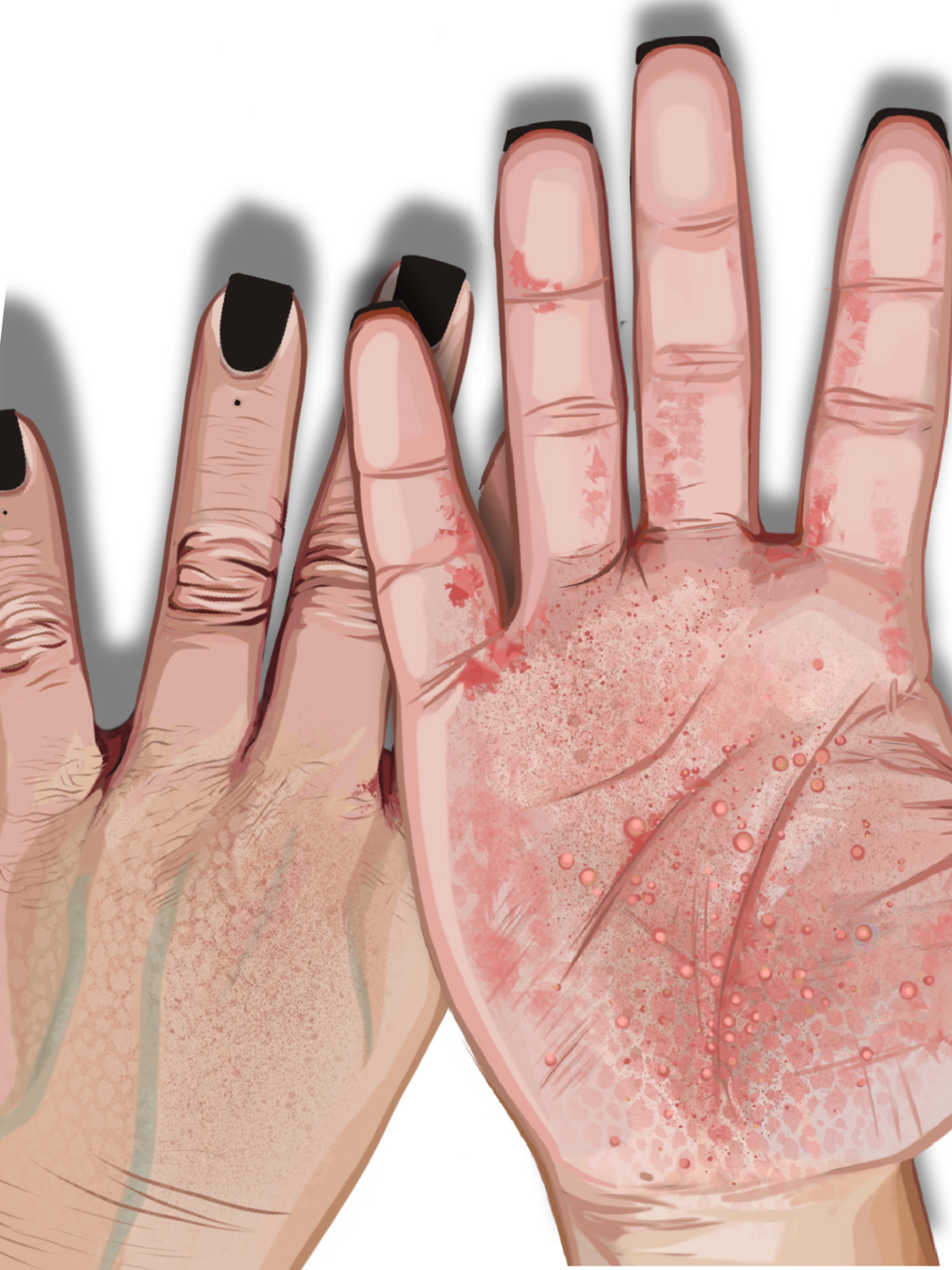
![Dyshidrotic Dermatitis]()
Dyshidrotic Dermatitis
The sudden appearance of small, intensely itchy blisters on the sides of the fingers, toes, palms or soles of the feet.
-
![Contact Dermatitis]()
Contact Dermatitis
Develops when the skin comes into direct contact with a substance that causes irritation or an allergic reaction.
-
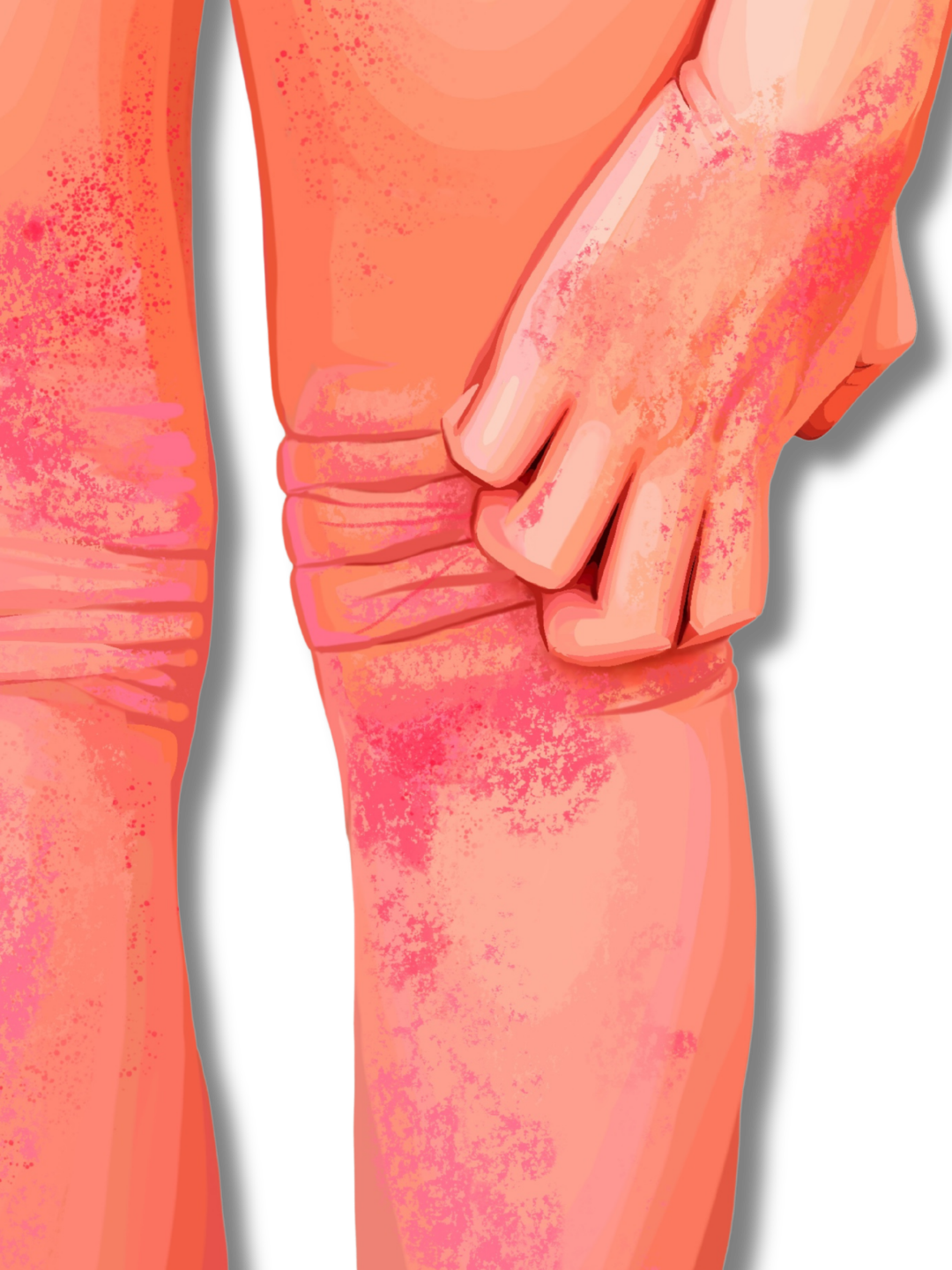
![Stasis Dermatitis]()
Stasis Dermatitis
Develops due to poor circulation in the lower legs, often as a result of chronic venous insufficiency.
-
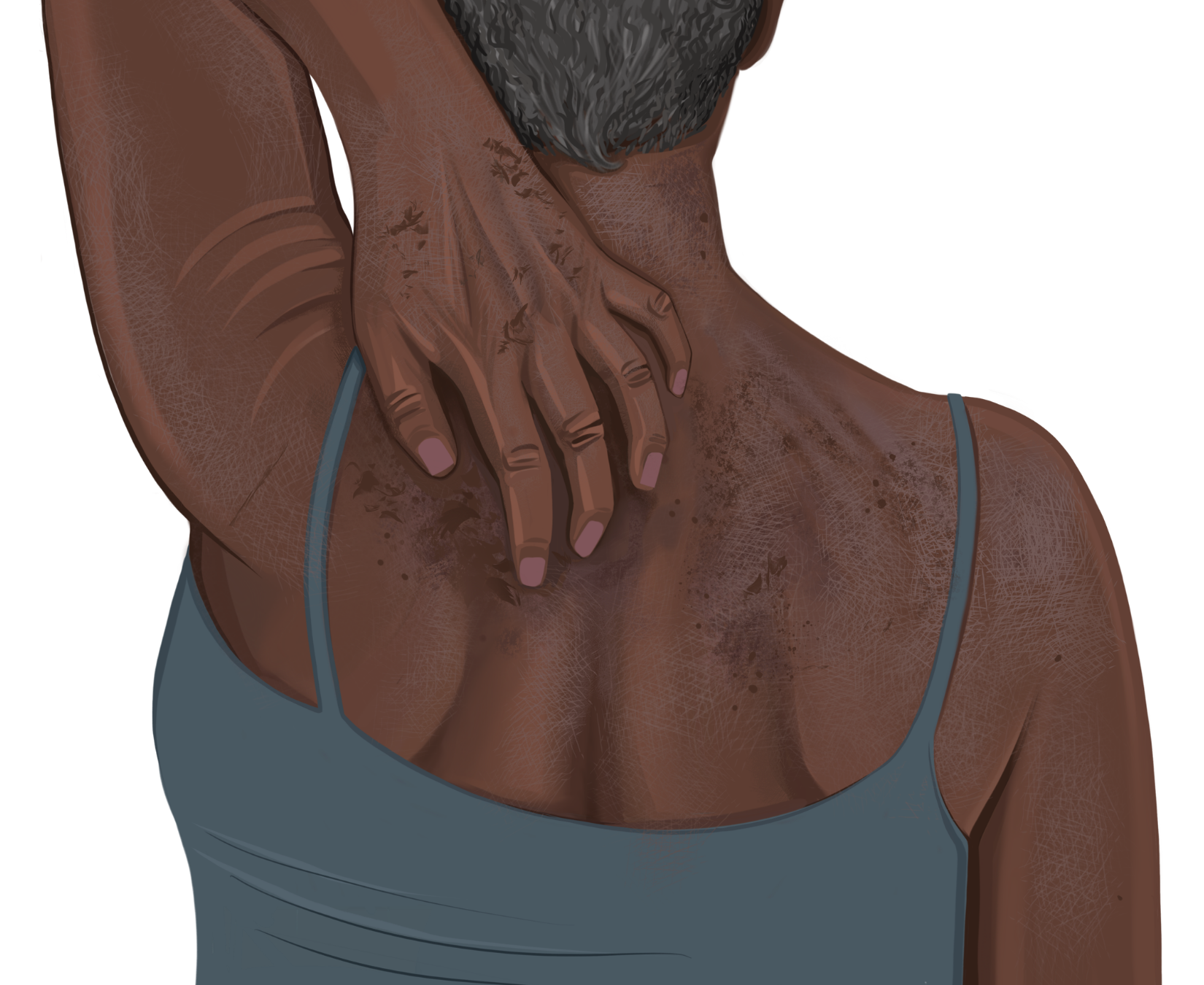
![Neuro Dermatitis]()
Neuro Dermatitis
Scaly, thick, rough, and leathery patches of skin that are intensely itchy, resulting from the chronic itch-scratch cycle.

Treatments
Management typically focuses on reducing inflammation, repairing the skin barrier, and minimizing triggers.
-
General care is the foundation of managing Eczema. It focuses on supporting the skin barrier, reducing irritation, and building daily habits that help prevent flares and maintain comfort over time.
Regular use of thick moisturizers (creams or ointments)
Applying products to damp skin to lock in hydration
Using gentle, fragrance-free cleansers and skincare
Avoiding long, hot showers or over-washing
Identifying and minimizing personal triggers (weather, fabrics, stress, allergens)
Wearing soft, breathable fabrics
Wet wrap therapy to soothe and rehydrate inflamed skin
Bleach baths (diluted and guided by a healthcare provider) to help reduce bacteria on the skin
-
Topical treatments are applied directly to the skin to reduce inflammation and manage flare-ups. They are often one of the first medical approaches used and can vary depending on the severity and location of symptoms.
The most commonly prescribed are topical corticosteroids, which can be effective for short-term relief. While helpful for many, some report complications from long-term steroid use. Learn more about topical steroid withdrawal.
Non-steroidal treatments such as calcineurin inhibitors are often used on sensitive areas like the face or neck.
Topical antibiotics or antiseptics are used when there are signs of infection
-
Targeted therapies are newer treatments designed to act on specific parts of the immune system involved in eczema. They are typically used for moderate to severe cases when other treatments have not been effective.
JAK inhibitors work by blocking specific pathways that contribute to inflammation in the body. They can be used as topical or oral medications and help interrupt the signals that drive itching and flare-ups.
Biologic therapies are specialized medications, often given by injection, that target specific immune responses linked to eczema. By focusing on particular pathways, they can help reduce inflammation in a more targeted way.
-
Systemic treatments work throughout the entire body rather than just on the skin. They are generally prescribed for more severe or widespread eczema.
Immunosuppressants reduce the activity of the immune system to help control inflammation. While they can be effective, they are usually used under close medical supervision due to their broader effects on the body.
-
Phototherapy involves controlled exposure to ultraviolet light under medical supervision. This treatment can help reduce inflammation and itching for some individuals, especially when other treatments have not provided enough relief.
-
Supportive medications are used to manage specific symptoms rather than treat eczema directly. They can help improve comfort and quality of life, especially during flare-ups.
Antihistamines to help reduce itching, particularly at night
Medications that support sleep or reduce discomfort as needed
-
Some people explore complementary approaches alongside conventional treatments. These methods often focus on overall balance, lifestyle, and holistic well-being.
Acupuncture
Traditional Chinese Medicine
Ayurvedic practices
Life with Eczema
Eczema can influence how you feel in your body, how you move through your day, and how you see yourself.
Beyond Skin
The impact of having compromised skin can affect daily activities like showering or even getting dressed. When skin feels extremely tight and sensitive, it can also impact mobility. Symptoms can shift quickly making it difficult to predict how you skin will feel from one day to the next.
Sleep disruption is a common symptom when constant itching can make it difficult to fall and stay asleep. This creates a challenging cycle, since lack of sleep can also trigger flares, highlighting how complex and interconnected the condition can be.

What Doesn’t Show
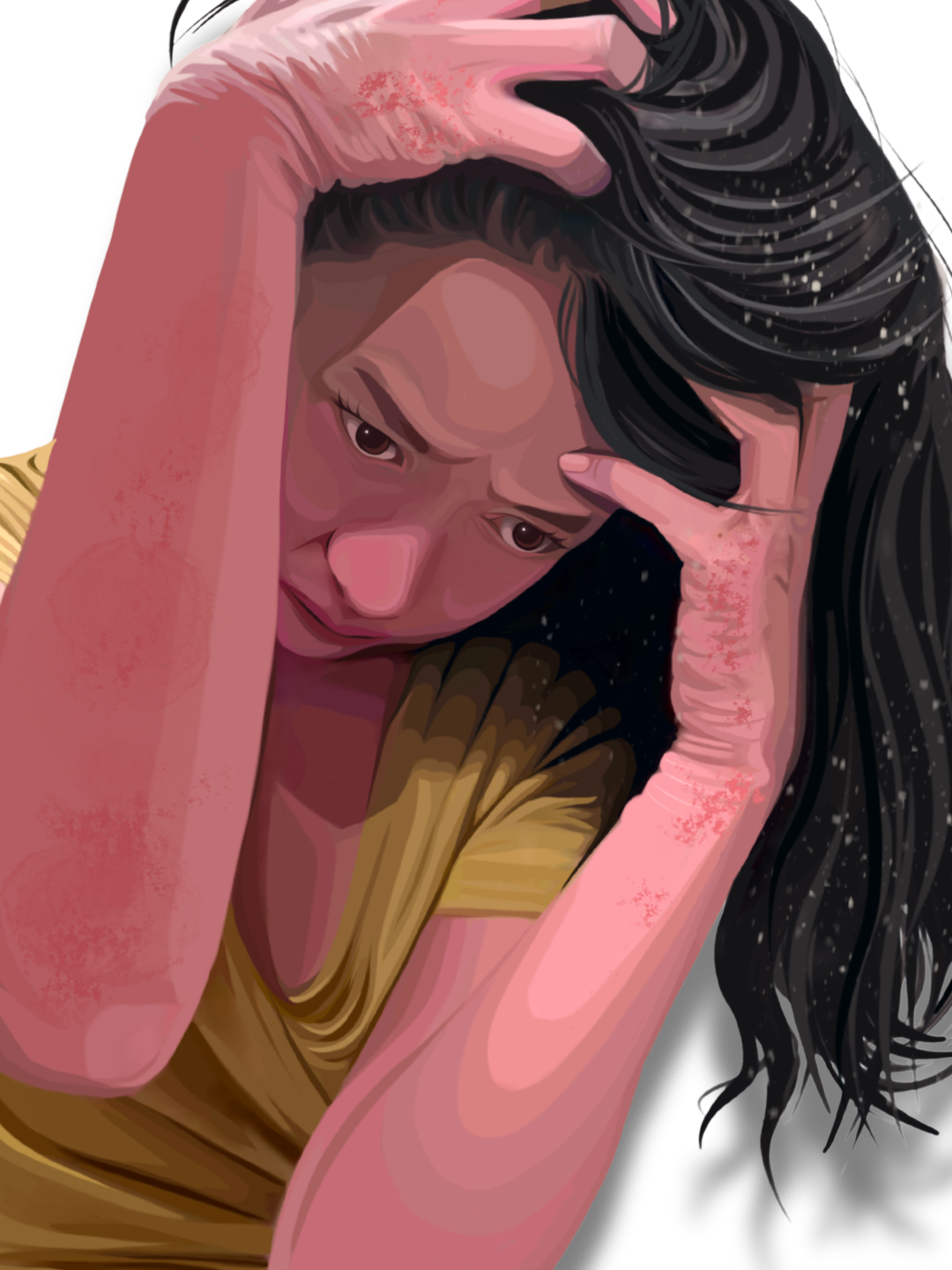
The mental load of living with eczema can be exhausting due to the constant need to prioritize skin, lifestyle choices, and having feelings of embarrassment, low mood, or social anxiety
Is that person looking at my skin?
Can I wear short sleeves today?
Did I do something wrong?
Do I need to cancel my plans?
Do I have to shake their hand?
Why is my skin so bad today?
Did I pack enough lotion?
Will eating this cause a flare?
What are the long term side effects of my treatment?
How long will this flare last?
Am I overreacting or should I go see my doctor?
Eczema may shape your routines, but it doesn’t define the life you’re allowed to live.
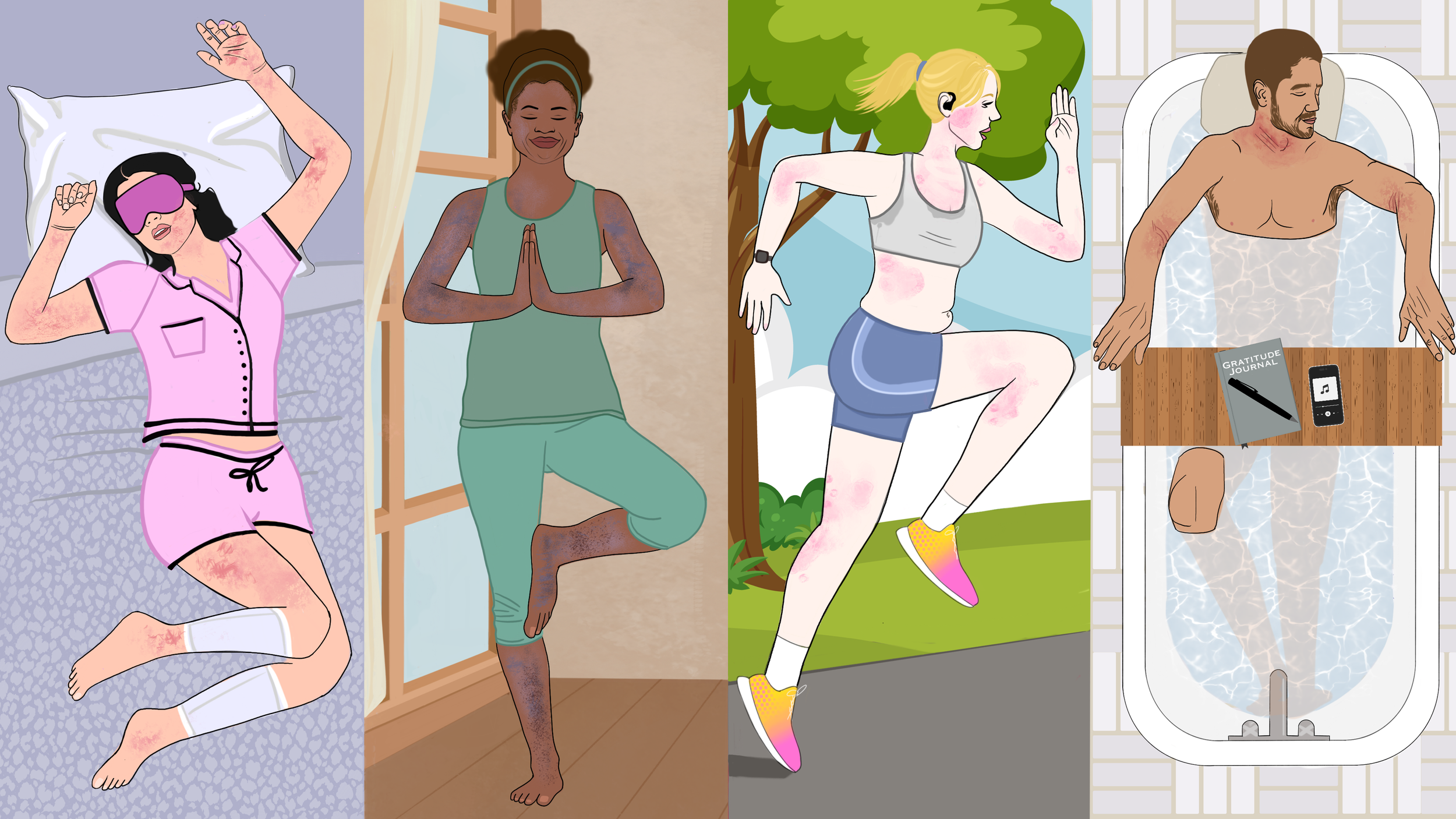
Living Fully
Even with the challenges of eczema, there is still space for rest, movement, joy, and care. A full life doesn’t require perfect skin. It’s built through small, supportive choices and moments that help you feel more at home in your body.
Over time, eczema can become just one part of your story, not the whole of it.